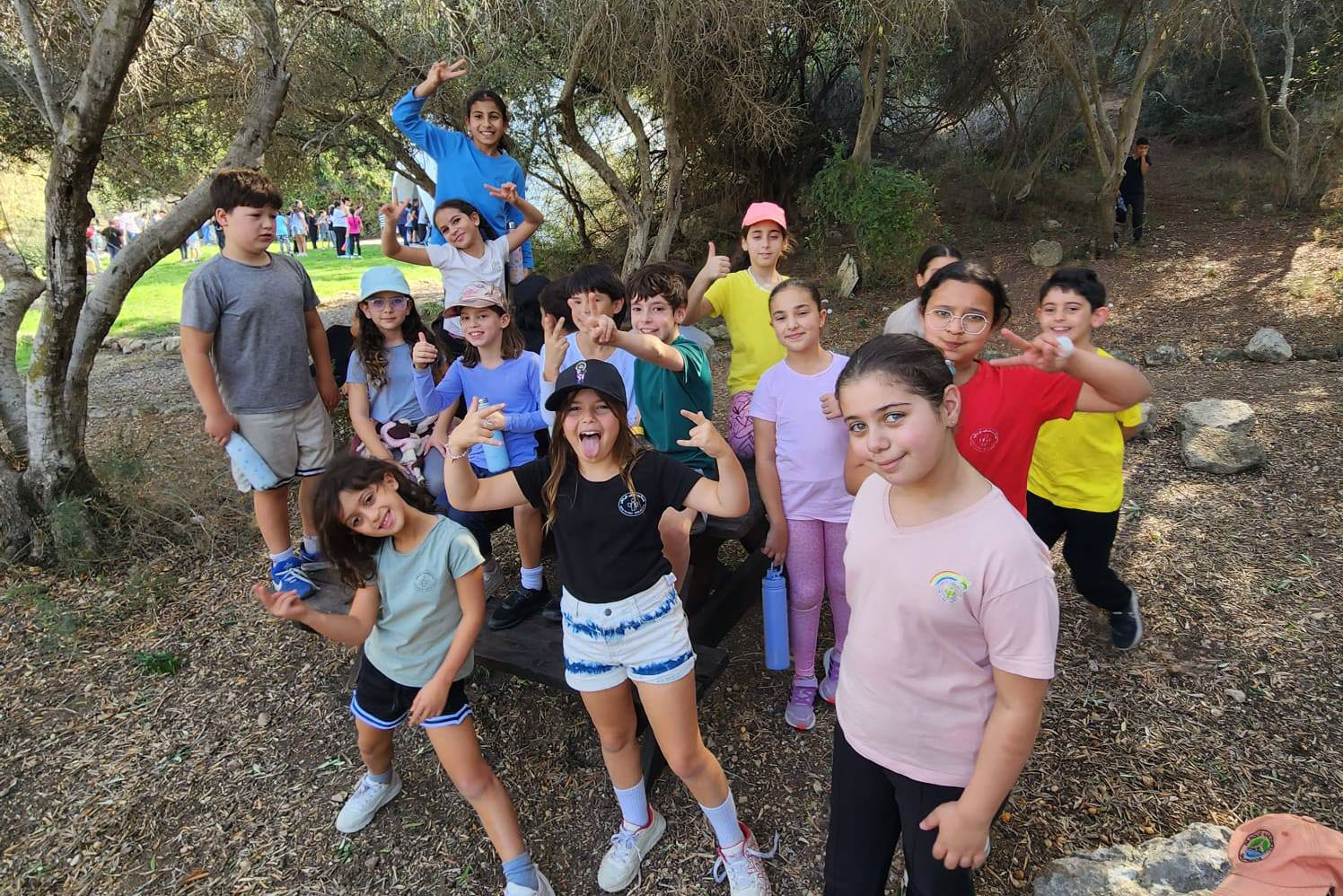
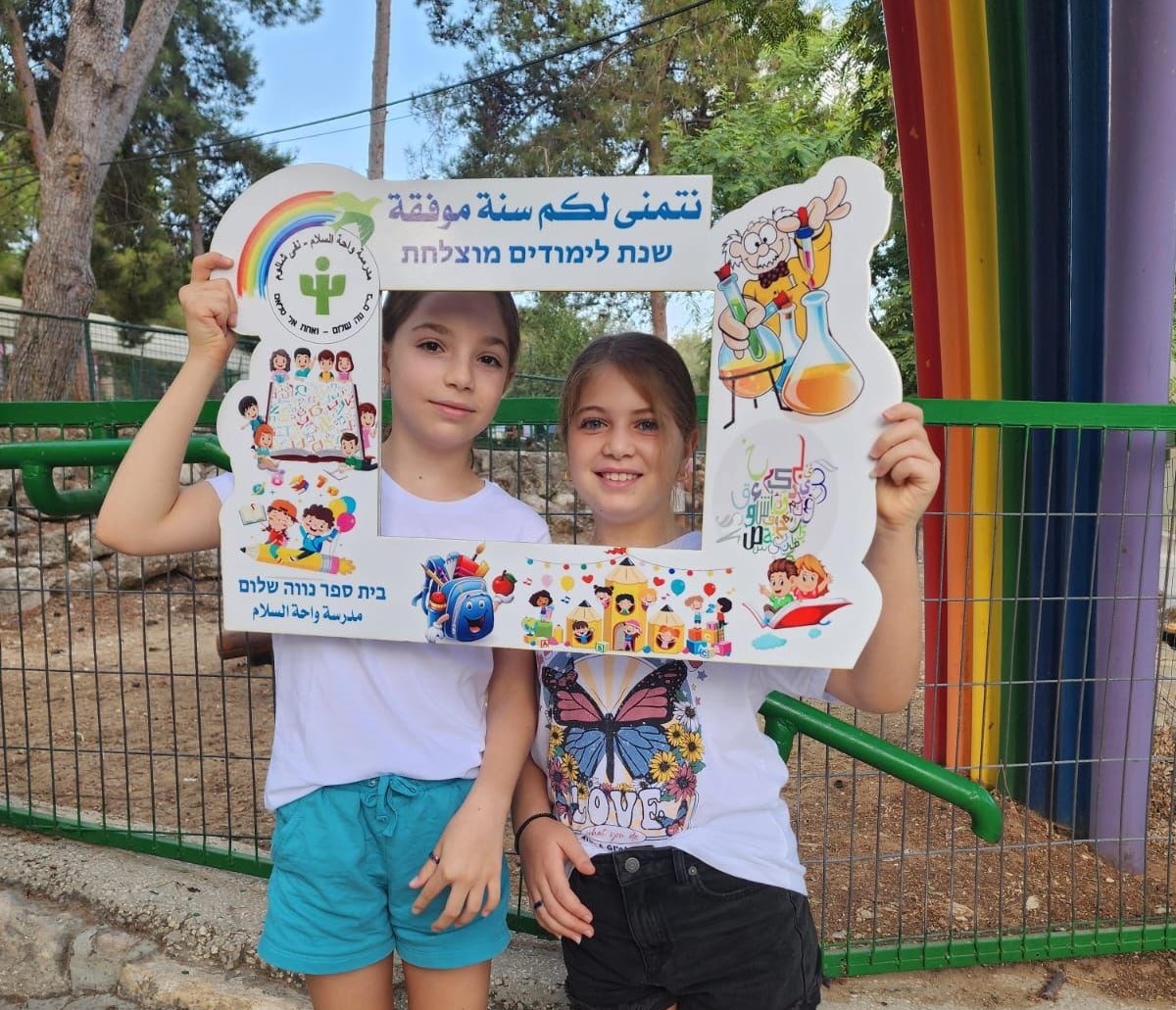
After weeks of uncertainty, the village’s Primary School has been granted permission by the Ministry of Education to open its first-grade class for the 2026–27 school year. The ministry’s last-minute decision averts an immediate crisis for the school, which has struggled to recruit enough Jewish students to maintain its binational balance.
The approval was secured through a joint struggle involving the village, the newly elected Board of the Association of Educational Institutions, the school’s parent community, and parents from outside the village who believe in its educational mission. Together, they applied pressure through political, legal, public and media channels to prevent a temporary registration problem from interrupting more than four decades of bilingual, binational education.
The Association and village presented several practical alternatives to the ministry, including a smaller independent first-grade class and a bilingual, multi-age framework combining first and second grades. A total of 101 parents and members of the school community—Palestinian and Jewish together—also signed an urgent letter calling on the Minister of Education to intervene.
“Especially now, when there is so much incitement and racism, schools like Neve Shalom Wahat al-Salam are needed more than ever.”
For the school and its supporters, the ministry’s resistance appeared to go beyond a technical question of enrollment numbers. It was part of a wider ideological struggle in which peacebuilding organizations—and institutions committed to a shared, peaceful future for Palestinians and Jews—face increasing political hostility from the government. The campaign therefore became not only a fight to open one classroom, but also a defense of the school’s right to exist, pursue its educational mission and receive public support on equal terms with other schools.
The consequences were deeply personal for the families affected. One mother from the village described what the uncertainty meant for her six-year-old son, Matin, who was born and raised in Wahat al-Salam Neve Shalom and was preparing to begin first grade. “Matin is not simply a child looking for ‘a school’,” she wrote. “He is rooted in a community, in two languages, and in a way of life. I will not give that up.”
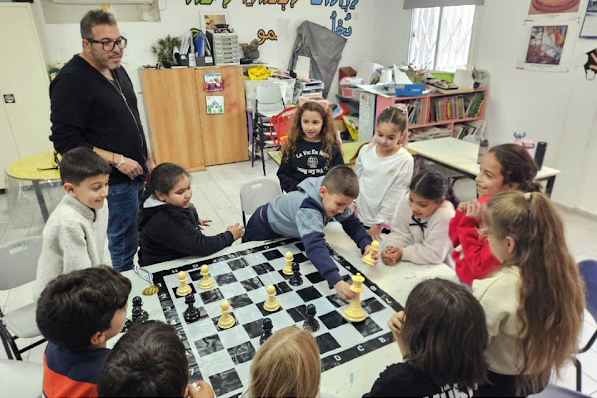
Another parent, Einav Livneh Schwartz, also emphasized the values that the school represents. “At a time when children are being taught to fear one another, there is one school where my child is learning precisely the opposite,” she wrote. “Especially now, when there is so much incitement and racism, schools like Neve Shalom Wahat al-Salam are needed more than ever. They must be strengthened, nurtured and given the opportunity to continue operating and developing.”
The ministry’s approval represents an important achievement, but it does not place the school on an equal financial footing. The Ministry of Education will not fund the new class, leaving the school to cover the cost itself simply to continue its work. Neve Shalom Wahat al-Salam must therefore become increasingly financially independent while remaining committed to its vision of shared Palestinian-Jewish life and education. Securing the resources needed to operate the class is now essential—not only for the children beginning first grade this September, but for the future of one of the country’s longest-standing models of shared education.