Not Normal

September 8, 2024

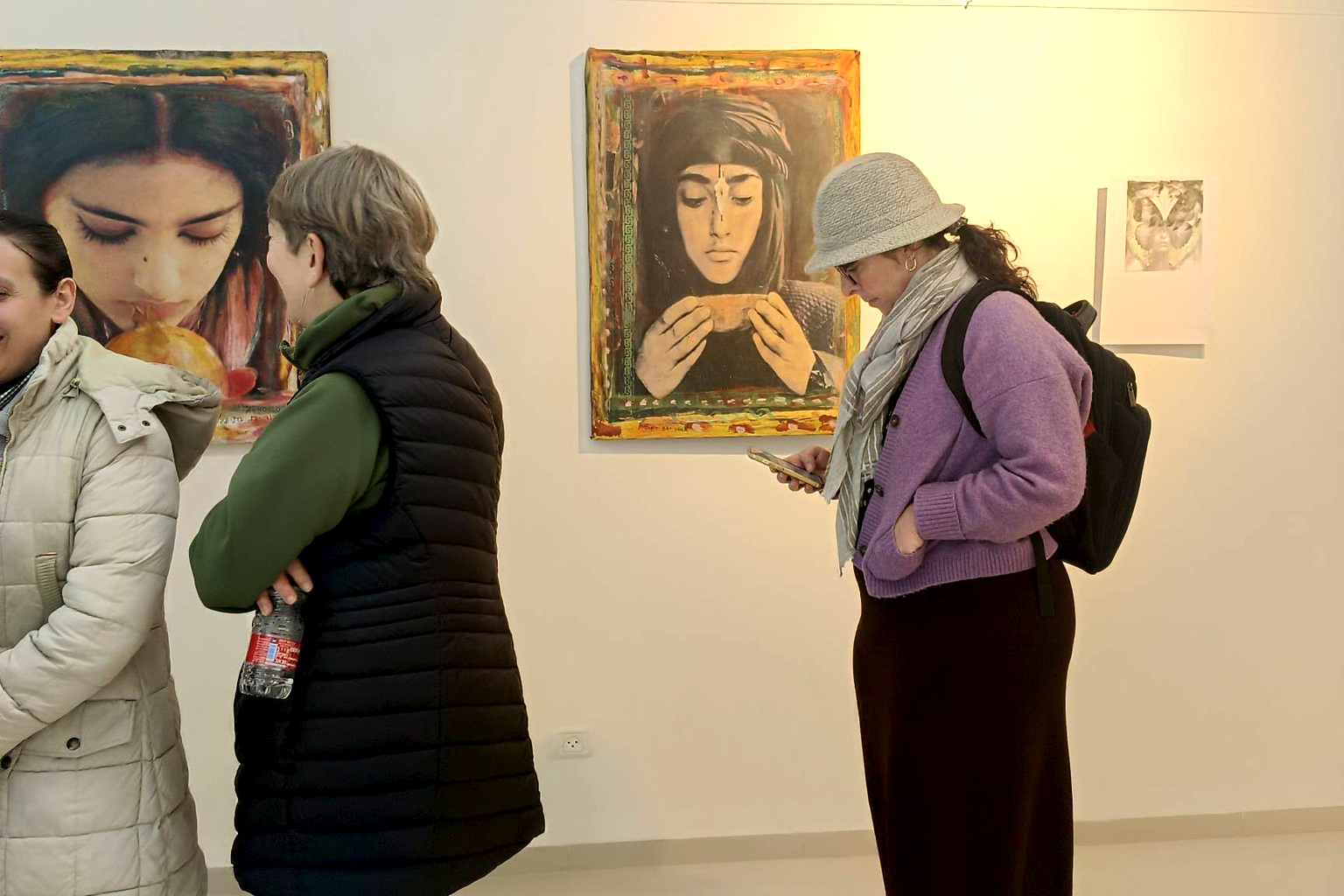
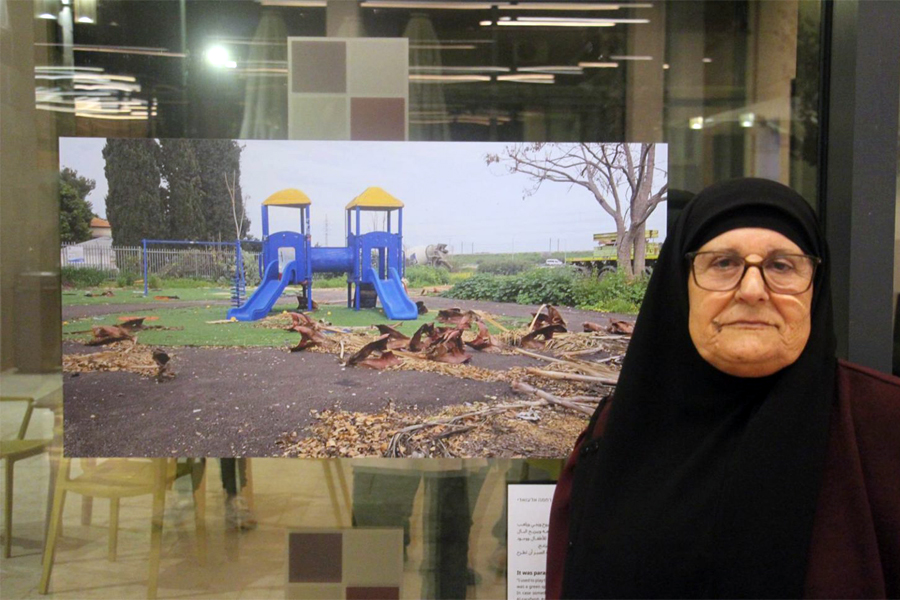
It was a chilling reminder that some citizens of our state – ones who live just a short drive from Wahat al-Salam – Neve Shalom – have been living for quite some time in a reality that is not normal. A photo exhibit of that name (Mish Adi, in Arabic) was the result of a unique collaboration between alumni of the School for Peace Environmental Justice and women living in Lod.
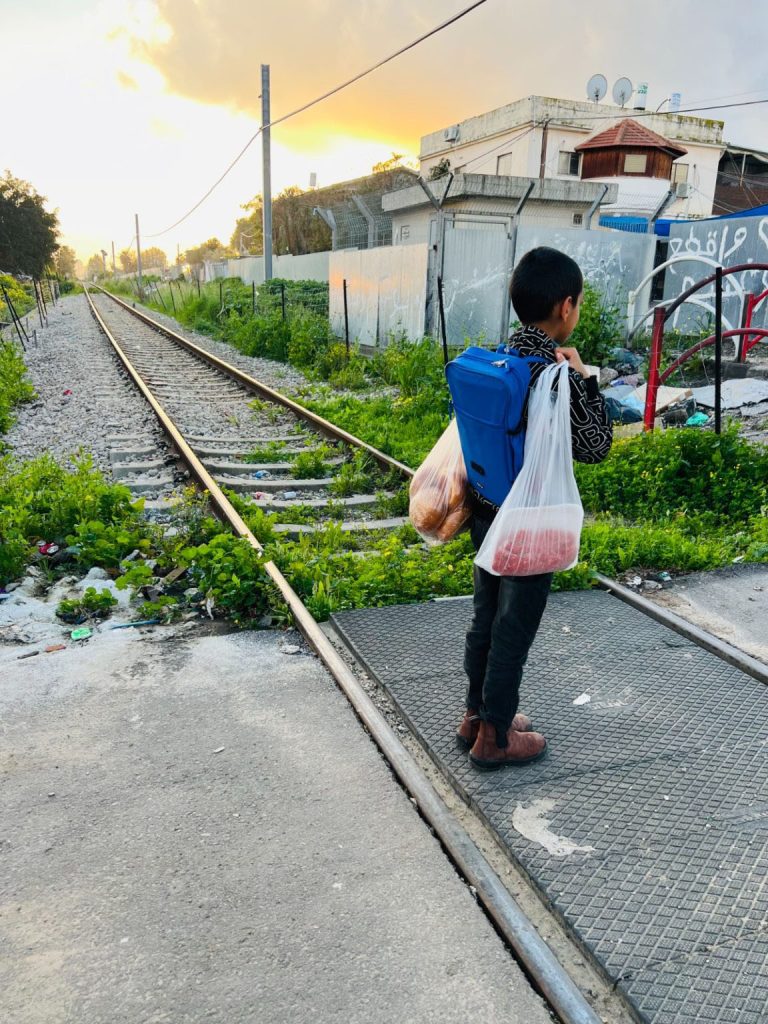
Hiba Aliwa / Child on Railway Tracks

Together they photographed areas in the city that contain health, environmental and safety hazards. These hazards are a part of everyday life for these women and their children. Photographing them and displaying the photographs was an act of resistance, of telling the world that having to live with these risks, with pollution and trash, with the trappings of poverty and neglect, are not acceptable.
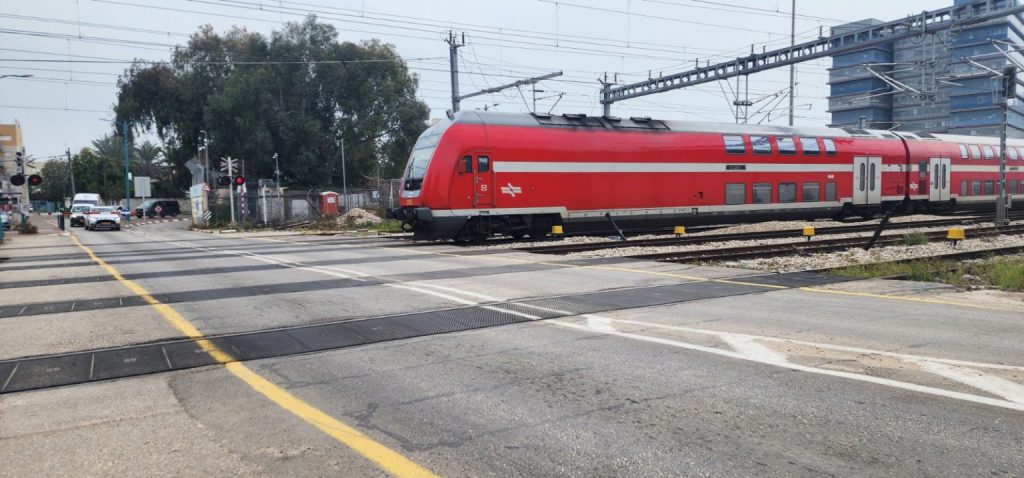
Hadil Kashua Shreki / Train Crossing Railway Tracks

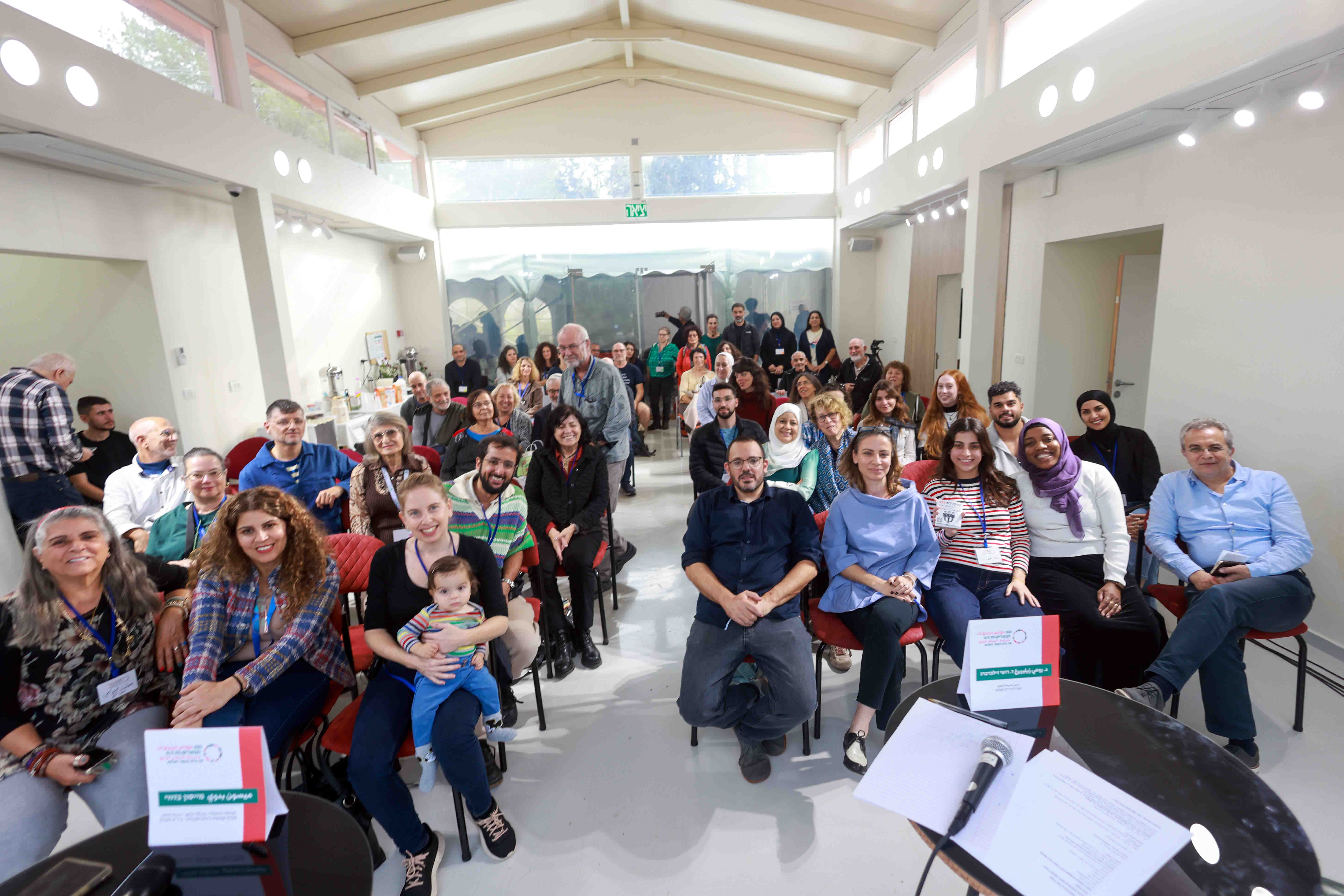
The exhibit had been shown in Lod, in the Mosaic Museum, and it had a special showing for the School for Peace annual Alumni Conference in the Oasis Art Gallery, with the assistance of gallery curator Dyana Shaloufi-Rizek.

You might be interested

January 30, 2024
Special Projects

Peace Press Project Launched

Even before the current war, the mainstream media was biased and censored. At this point,

young children learn chess
February 16, 2026
Primary Education

Halfway through the Primary School Year

The first half of the school ended in January, and the kids got their mid-term

art by Dorit Bat Shalom
February 9, 2026
Oasis Art Gallery

Two Solo Exhibits in the Oasis Art Gallery

While most of the exhibits in the Oasis Art Gallery are group exhibits featuring the

Holiday of holidays party
January 12, 2026
Primary Education

Holiday Time in School

December is the time of holidays of light, and their lessons, including the HOTAM, Education,

participants in Alumni Conference
January 6, 2026
School for Peace

Influencing the Catastophe

Life in an ongoing catastrophe – Between dispossession and erasure, and building influence was the