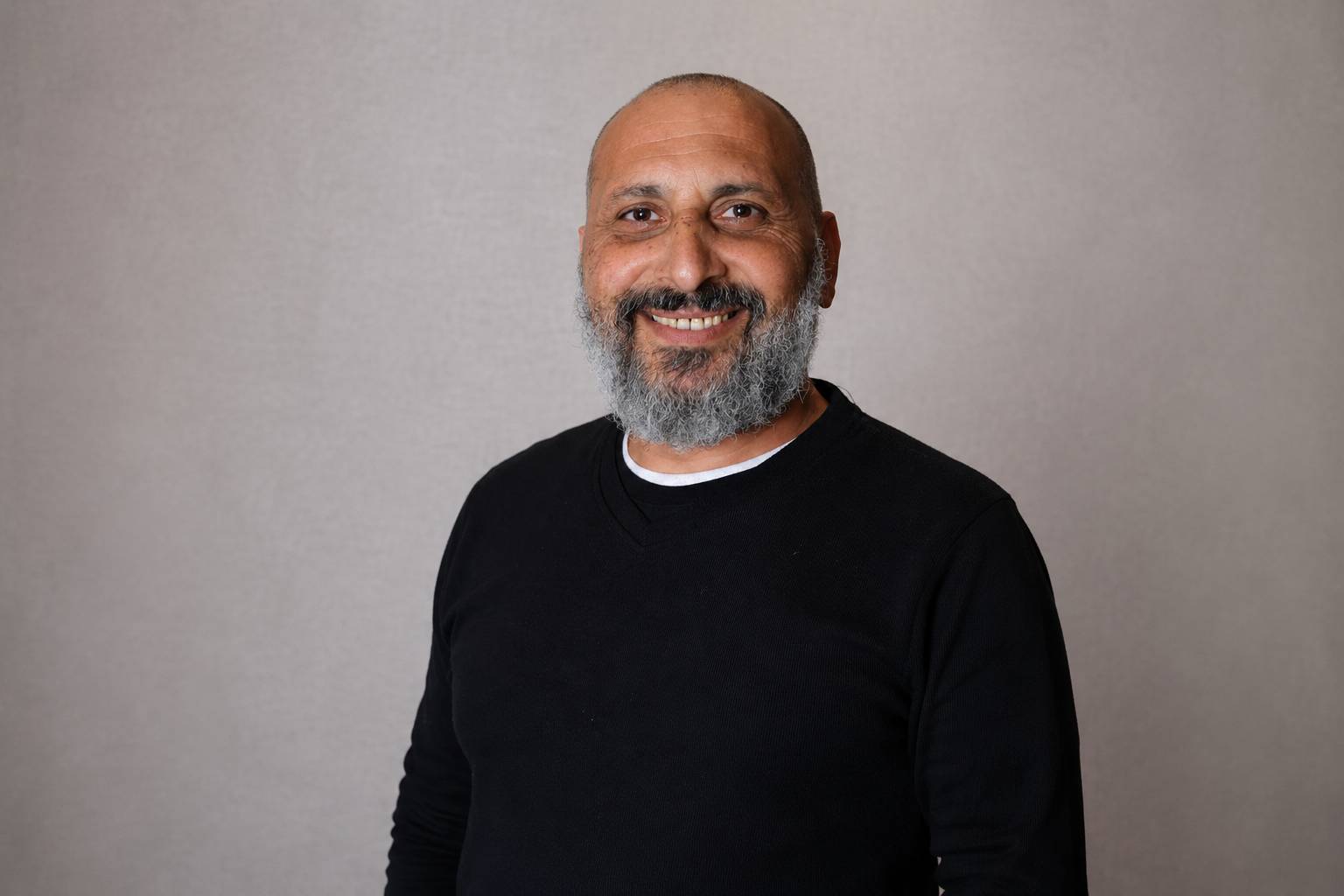
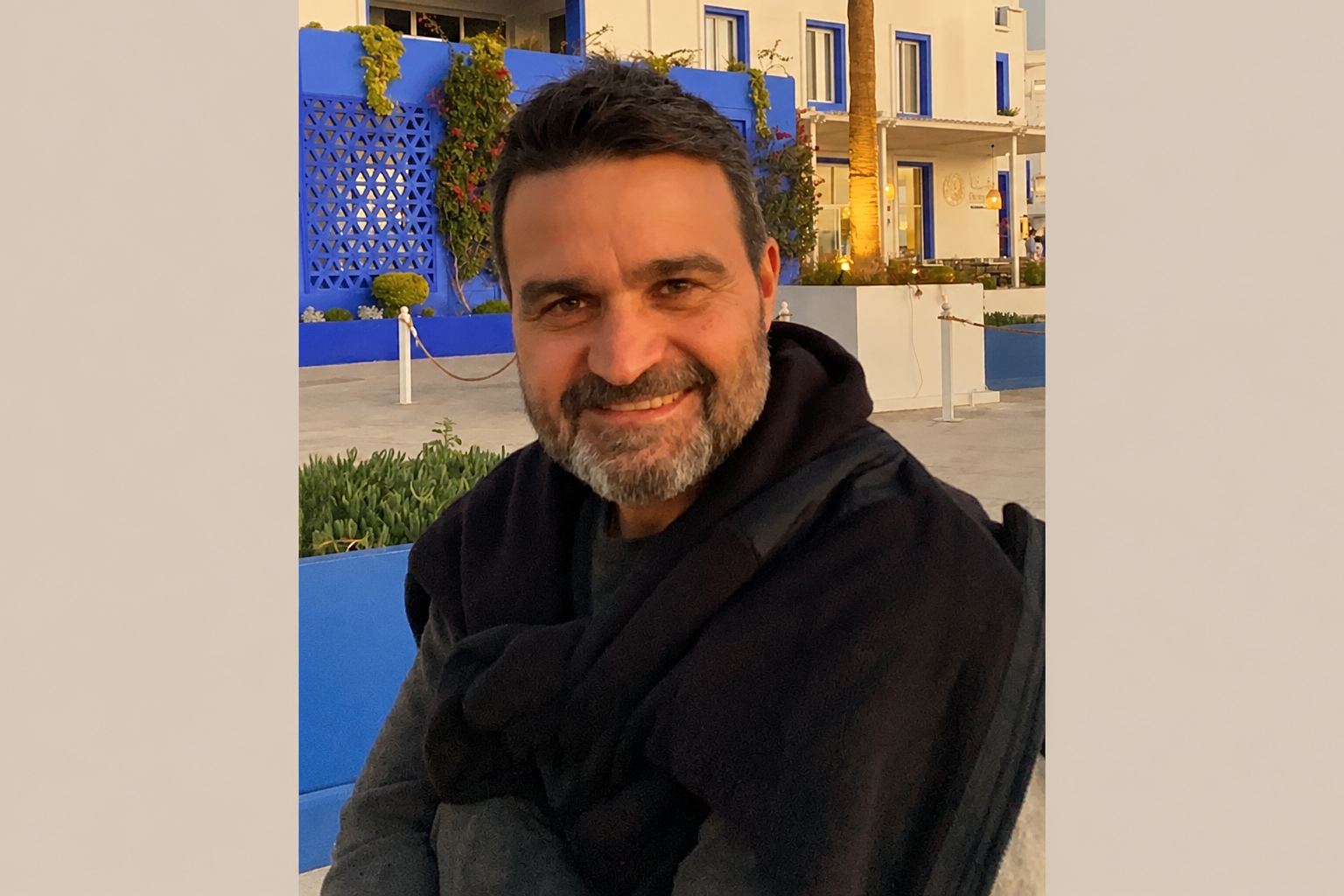
Sajed Haj-Yahya has been elected Chairperson of the committee overseeing Oasis of Peace’s educational institutions, succeeding Dr. Ariela Bairey Ben Ishay. Bringing extensive experience in community leadership and organizational development, Sajed assumes the role at a pivotal moment for the organization and its educational institutions, with a vision centered on collaboration, strategic planning, and strengthening the mission of Neve Shalom Wahat al-Salam as a community dedicated to peace and a shared society.
A resident of Wahat al-Salam Neve Shalom, Sajed lives in the village with his partner, Nasreen, and their three children—Carmel, Hala, and their youngest, Neil, who attends the village’s primary school. Having waited many years to become a resident, he begins his tenure not only as a new organizational leader, but also as a neighbor, parent, and active member of the community.
Although newly appointed, Sajed approaches the role with both humility and determination. “I am now in a stage of learning everything,” he says, describing the process of understanding his new responsibilities and the organization he has been entrusted to help lead. Even so, he has already identified two central priorities: strengthening the organization’s internal foundations and ensuring that its institutions continue to reflect the values upon which Neve Shalom Wahat al-Salam was established.
His immediate focus is on organizational development—strengthening leadership structures, supporting key institutions through periods of transition, and building a stronger foundation for the future. But for Sajed, effective administration is meaningful only when it advances a larger purpose: ensuring that the work of Oasis of Peace remains closely aligned with the community’s founding mission.
“Our community is a small-scale example of the kind of reality we hope to see throughout the country,” he says. “I truly believe that education is one of the most powerful ways to build that future.”
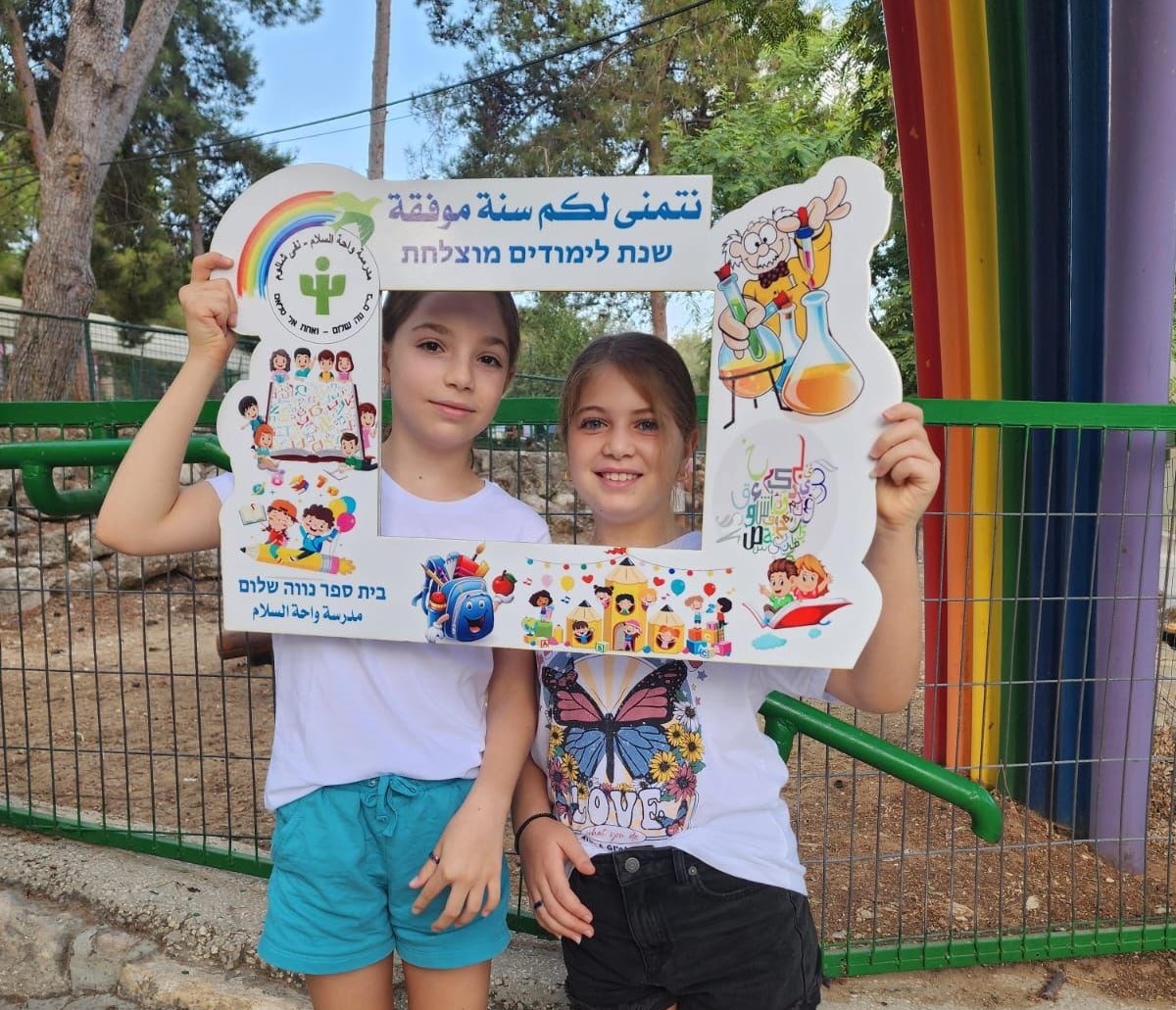
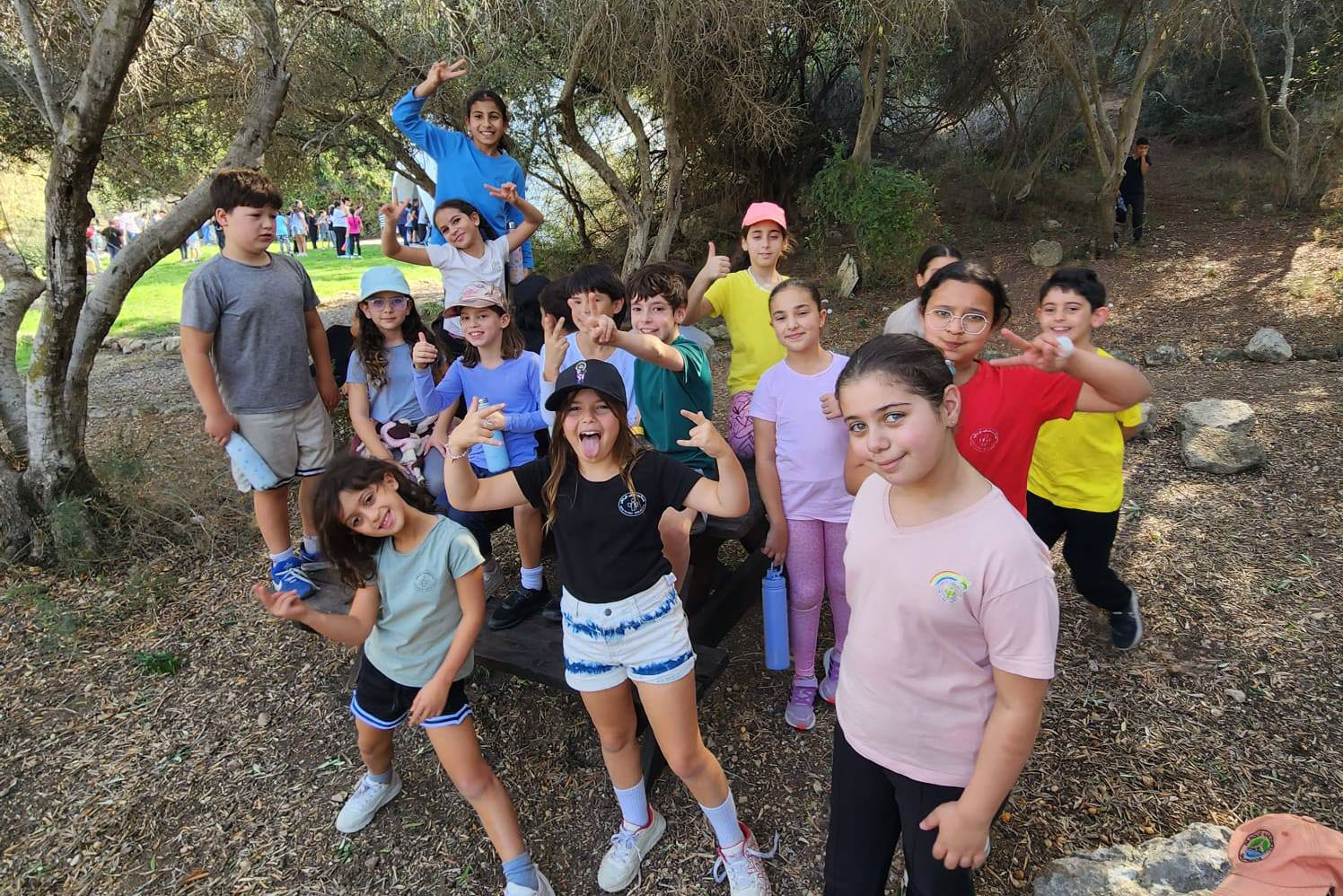
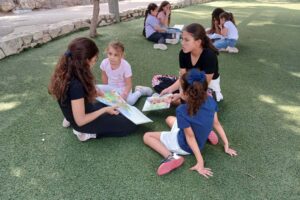
That conviction is reflected in his vision for the educational institutions of Wahat al-Salam Neve Shalom. Rather than viewing the kindergarten, primary school, and School for Peace as separate entities, Sajed sees them as parts of a single educational journey connected by a shared purpose. He hopes to develop a long-term strategy that brings these institutions closer together while sharpening their shared mission of promoting peace and a shared society.
The vision comes at a time when the primary school is navigating a particularly challenging period. The upcoming school year is expected to begin with approximately 135 students across six grades, including around 15 first-grade students. Of the total student body, 99 students are Arab, 35 are Jewish, and one student is from another background. These figures underscore one of the school’s most pressing challenges: a decline in Jewish enrollment, particularly in first grade, making it difficult to open a balanced first-grade class while preserving the school’s unique bilingual and bicultural character.
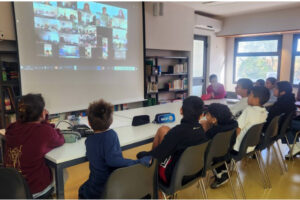
Sajed has acknowledged the leadership and enrollment challenges facing the school, but believes they should become the starting point for a broader renewal rather than merely a crisis to manage.
“It should be a strategic decision,” he says. “It is not something that we can decide from day to day. We need to think about it deeply, and this will require us to develop a strategic plan.”
That strategic approach is already beginning to take shape. According to a recent statement from the Oasis of Peace leadership, work is underway to strengthen the school’s administrative and educational leadership by drawing on experienced educators from the village and former school principals. Plans are also being developed to establish an educational think tank that will refine the school’s distinctive educational model and adapt it to future needs, while the organization’s leadership reviews its governance, partnerships, and long-term organizational structure.
Alongside these internal efforts, expanding enrollment has become an important priority. The organization plans to strengthen ties with neighboring communities, reach out directly to families, and renew public awareness of the school’s educational vision in order to attract more families—particularly Jewish families—to the younger grades.
For Sajed, these initiatives are about more than addressing immediate challenges. They represent an opportunity to reaffirm what makes the educational model at Neve Shalom Wahat al-Salam distinctive while ensuring that it remains strong for future generations.
Beyond the community itself, Sajed hopes Wahat al-Salam Neve Shalom can continue to inspire wider society—not by presenting itself as an idealized place without difficulties, but by demonstrating that genuine partnership is possible. He believes the village can serve as both “a beacon of hope and a compass” for those seeking practical models of coexistence, while becoming more active in sharing its experience with people outside the community.
Sajed is fully aware that this work unfolds during an especially difficult period. Rather than offering easy optimism, he emphasizes persistence, dialogue, and practical action. As he puts it, “Optimism can be achieved by activism. It will not come out of the blue.”
Perhaps more than any strategic initiative, however, Sajed returns repeatedly to the importance of relationships within the village itself. Having spent the past year immersed in community life, he describes Neve Shalom Wahat al-Salam as a uniquely complex place, where differences of nationality, religion, language, and identity mean that even seemingly simple decisions require exceptional care and sensitivity.
For that reason, he believes the community’s greatest strength will continue to lie in its ability to engage openly and respectfully with one another.
“I think relationships are everything,” he says. “We need to deal with the relationships here, the way we treat one another, the way we handle our dialogues, and understand that we have a shared future together.”
This emphasis on trust and collaboration reflects the leadership philosophy Sajed brings to his new position. Alongside his career as Manager of the Mechanical Engineering Department at a medical technology company, he has spent nearly two decades involved in community activism, nonprofit leadership, organizational development, and initiatives promoting social change and social justice.
He now hopes to bring that combination of strategic thinking and collaborative leadership to the committee overseeing Oasis of Peace, working closely with fellow committee members, staff, residents, educators, and parents to strengthen the organization’s institutions and prepare them for the years ahead.
As he begins his tenure, Sajed remains realistic about the scale of the responsibility before him. “I’m really at the beginning, trying to learn everything,” he says. “As I move forward, I am exposed to more and more challenges.”
Yet those challenges are matched by a clear sense of purpose. “I really want to work with everyone,” he says. “I believe in collaboration that is based on trust. I believe in trust, and I hope that we will succeed together.”
Sajed Haj-Yahya’s appointment as Chairperson of the Oasis of Peace Oversight Committee marks an important organizational transition. It also signals a renewed commitment to strengthening the organization’s educational institutions through strategic planning, community partnership, and a shared belief that education remains one of the strongest foundations for building a more peaceful future.